Navigating Color Theory in Painting Workshops
Understanding color theory is crucial for any artist seeking to enhance their painting skills. In this article, we will explore how color theory is integrated into painting workshops, providing practical insights and realistic expectations for participants.
Understanding the Basics of Color Theory
Color theory encompasses the guidelines and principles that artists utilize to create visually appealing works. According to experts in the field, understanding the color wheel—comprising primary, secondary, and tertiary colors—is fundamental. Mastering these concepts can significantly affect the quality and harmony of your artwork.
"Color theory is not just about mixing colors; it's about understanding how colors interact, evoke emotions, and convey meaning." – Art Educator
Practical Application in Workshops
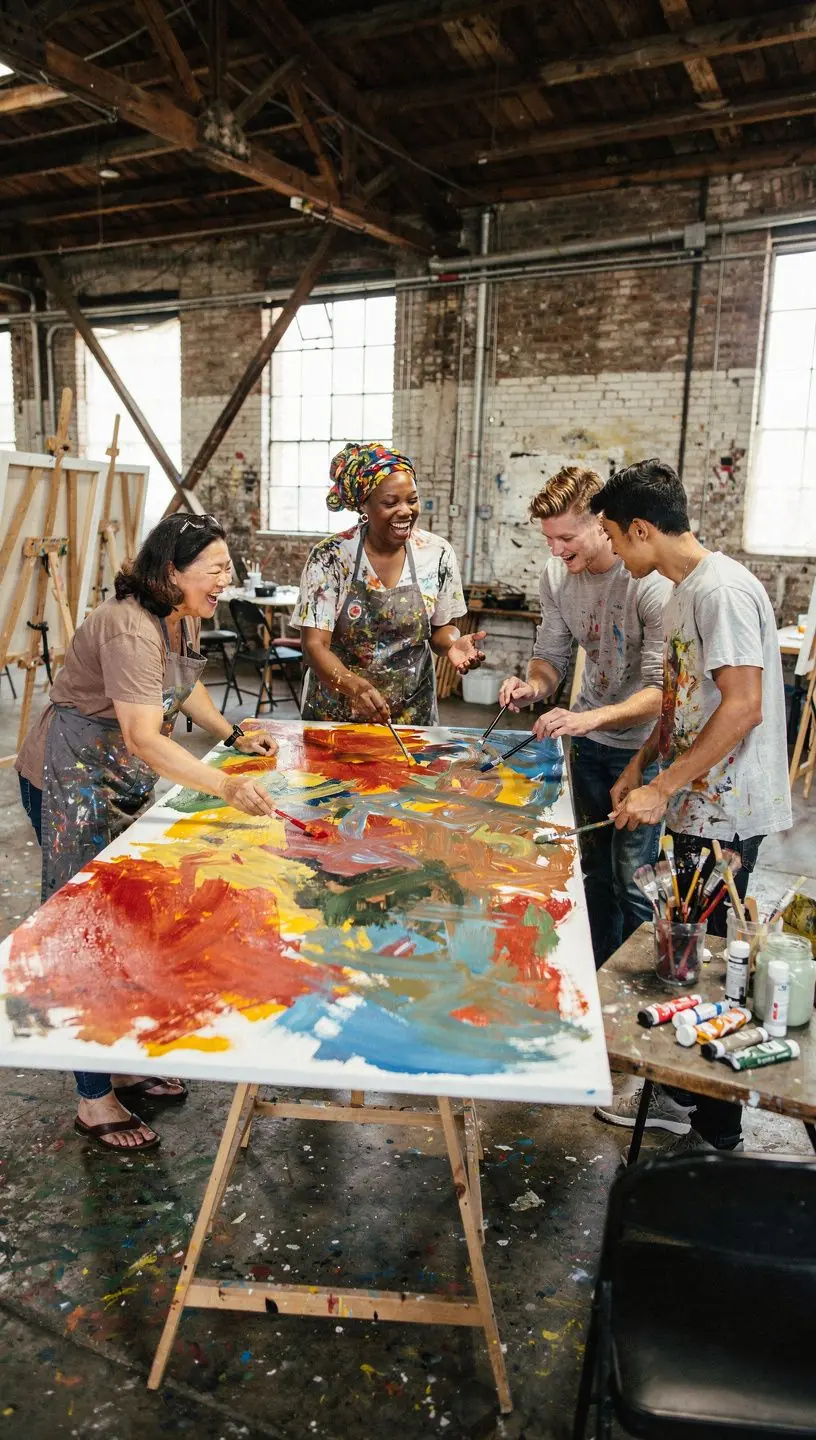
In painting workshops, participants typically engage in hands-on activities that reinforce these concepts. Here’s how:
- Color Mixing Exercises: Participants learn to mix primary colors to create a range of hues, which can help them develop a deeper understanding of color relationships.
- Emotion and Color: Many instructors focus on the psychological impact of colors. Studies show that certain colors can evoke specific feelings, which artists can leverage to enhance their storytelling.
- Color Schemes: Exploring complementary, analogous, and triadic schemes allows artists to create balance and contrast in their work, a technique often emphasized in professional practices.
The Role of Guided Sessions
Guided sessions during workshops often facilitate deeper learning. Instructors typically provide structured feedback, which can improve participants' grasp of color theory over time. However, this process requires dedication and practice. Many users report that consistent application of learned techniques leads to noticeable advancements in their skills.
Exhibition Opportunities
Moreover, workshops may culminate in exhibition opportunities, allowing artists to showcase their work. According to industry standards, participating in exhibitions can provide valuable exposure and feedback, essential for growth. However, it’s important to note that preparing for an exhibition typically takes several weeks and requires effort to curate a cohesive body of work.
Conclusion
Color theory plays a vital role in the development of painting skills within workshops. By understanding the foundational principles, engaging in practical exercises, and receiving guided instruction, participants can enhance their artistic abilities. It's essential to set realistic expectations regarding the time and effort required for skill development, as mastering these concepts is a gradual process. Embracing color theory can lead to more expressive and impactful artwork, enriching the artist's creative journey.