The Importance of Art Exhibitions for Emerging Artists
Art exhibitions can serve as critical platforms for emerging artists to showcase their work and gain visibility in a competitive market. This article explores the significance of art exhibitions, backed by research and expert insights, and provides actionable steps for artists to leverage these opportunities effectively.
Understanding the Role of Art Exhibitions
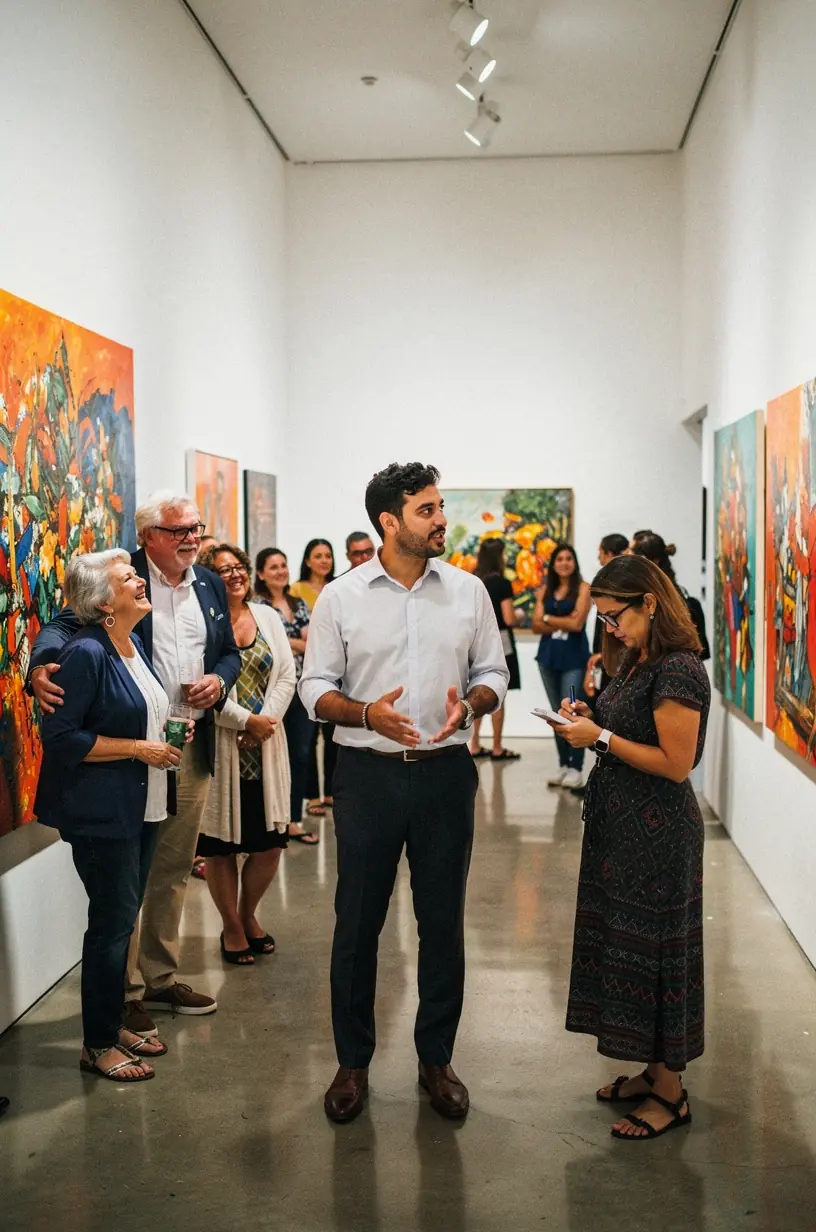
Art exhibitions are not just events that display artwork; they are vital for creating connections between artists and audiences. According to a study published in the International Journal of Arts Management, participating in exhibitions can increase an artist's visibility and contribute to their professional growth. These events often serve as platforms for networking, which is essential for building relationships within the art community.
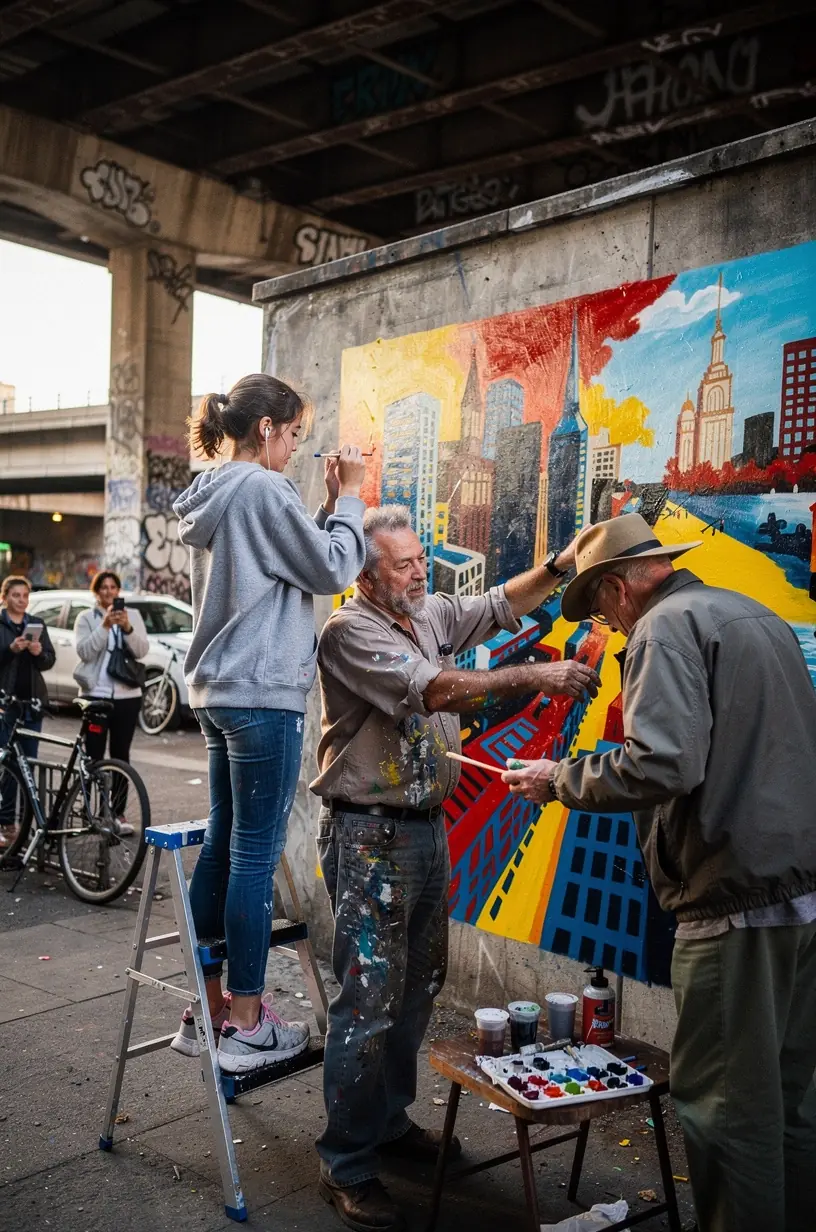
"Art exhibitions provide artists with an opportunity to engage directly with the public and industry professionals, leading to potential collaborations and sales."
The Benefits of Participating in Exhibitions
- Visibility: Exhibitions can significantly enhance an artist's exposure. Many artists report that their participation led to increased online traffic and inquiries about their work.
- Feedback: Engaging with attendees allows artists to receive valuable feedback about their work, which can inform future projects. Experts recommend viewing this feedback as a constructive tool for improvement.
- Networking Opportunities: Exhibitions attract not only art enthusiasts but also curators, gallery owners, and collectors. Building relationships with these professionals can often lead to future exhibitions or sales.
How to Prepare for an Art Exhibition
Preparation for an exhibition typically requires a thoughtful approach. Many emerging artists find that starting this process early—typically several months in advance—can lead to better outcomes. Here are a few steps to consider:
- Select Your Best Work: Choose pieces that represent your artistic vision and are likely to resonate with your target audience.
- Plan Your Display: Consider how your artwork will be displayed. The arrangement can enhance the viewer's experience and highlight the strengths of your pieces.
- Promote Your Participation: Utilize social media and local art networks to promote your exhibition. Research indicates that artists who actively market their participation tend to attract larger audiences.
Acknowledging the Challenges
While exhibitions offer numerous benefits, they also come with challenges. Preparation can be time-consuming, typically requiring 4-6 weeks of dedicated effort. Emerging artists should also be aware that not every exhibition will lead to immediate sales or recognition. This is a common experience, and maintaining resilience is crucial.
Conclusion
Art exhibitions play a pivotal role in the development of emerging artists, providing them with essential opportunities for visibility, feedback, and networking. While the process requires planning and dedication, the potential benefits can significantly enhance an artist's career trajectory. Emerging artists should view exhibitions not just as a means to showcase their work, but as a valuable learning experience that can lead to future opportunities in the art world.
Learn More