
Creating an Art Portfolio for Exhibition Opportunities
Building an effective art portfolio is a crucial step for artists seeking exhibition opportunities. This article provides practical insights and tips to help you create a compelling portfolio that showcases your work and meets industry standards.
Understanding the Basics of an Art Portfolio
According to experts in the art field, a well-developed portfolio is not just a collection of your best works; it is also a curated narrative that communicates your artistic journey and vision. Many art institutions and galleries look for portfolios that not only display technical skill but also tell a story about the artist. Typically, this involves selecting pieces that represent your style, thematic interests, and development over time.
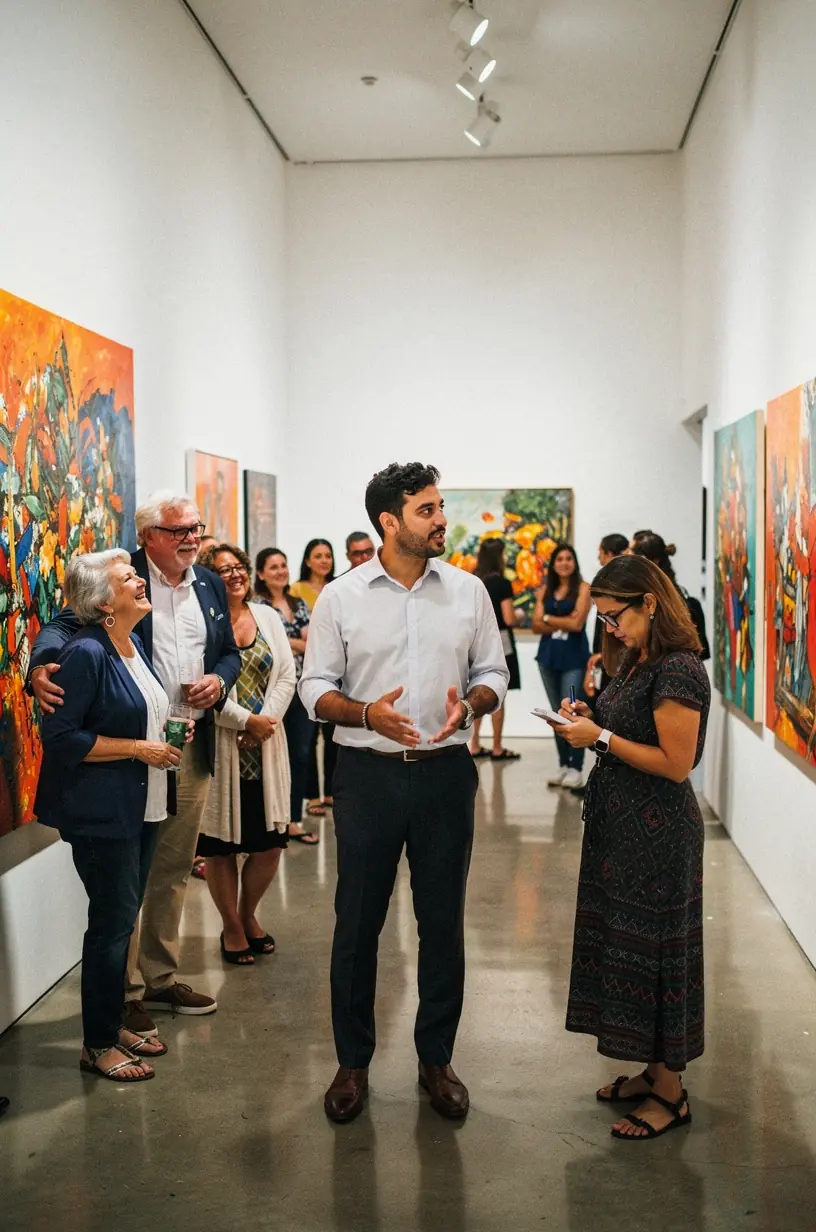
"A portfolio should reflect your unique voice and how it has evolved, highlighting both your strengths and areas of exploration." - Art Industry Expert
Key Components of a Compelling Portfolio
When assembling your portfolio, consider including the following key components:
- Selection of Works: Choose around 10-15 pieces that showcase a variety of techniques and themes. It is crucial to pick works that demonstrate your range while also aligning with your artistic vision.
- Artist Statement: Include a brief artist statement that explains your artistic philosophy, influences, and objectives. This helps viewers understand the context of your work and why it matters.
- Presentation: Pay attention to how you present your works. High-quality images, consistent formatting, and clean layouts are essential. Many users report that a professional presentation can significantly enhance the perception of your work.
Process of Creating Your Portfolio
The process of developing your portfolio involves several steps:
- Review and Reflect: Begin by reviewing your past works. Reflect on what pieces resonate most with you and your audience. This typically takes time and may require showing your work to trusted peers for feedback.
- Research Exhibition Standards: Familiarize yourself with the portfolios of artists who have successfully exhibited their work. Research indicates that understanding industry standards can provide valuable insights into what galleries and curators are looking for.
- Edit and Curate: Once you have a draft portfolio, start editing. This requires a critical eye to ensure that each piece serves a purpose in the overall narrative. It may be beneficial to seek external opinions during this phase.
- Finalize and Format: After curating your selection, finalize the format. Whether you choose a digital portfolio or a physical one, ensure that it is easy to navigate. High-resolution images and professional layouts are crucial for a positive impression.
Acknowledging Limitations
Creating an effective portfolio is often a time-consuming process. It typically requires several weeks to reflect, edit, and finalize your work. Furthermore, some artists may find this to be a challenging task, as it involves vulnerability and self-critique. Therefore, it’s important to allocate ample time and possibly seek guidance from mentors or peers who have experience in the field.
Conclusion
Building a strong art portfolio is a foundational step in pursuing exhibition opportunities. By understanding the key components, following a structured process, and acknowledging the effort required, artists can create a portfolio that not only showcases their work but also communicates their unique artistic vision. Remember, while the journey may take time, a thoughtfully crafted portfolio can open doors to valuable exhibition opportunities in the art world.
Learn More