Exploring Different Painting Techniques in Workshops
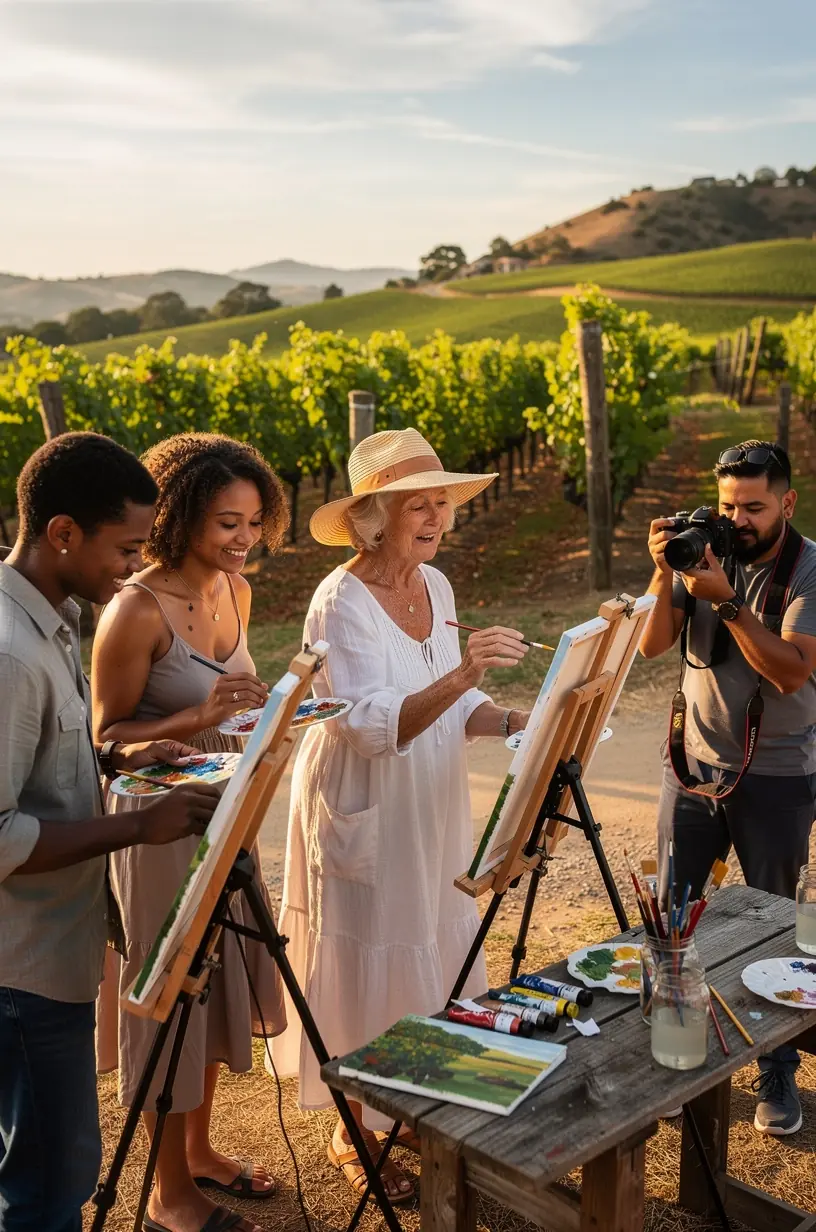
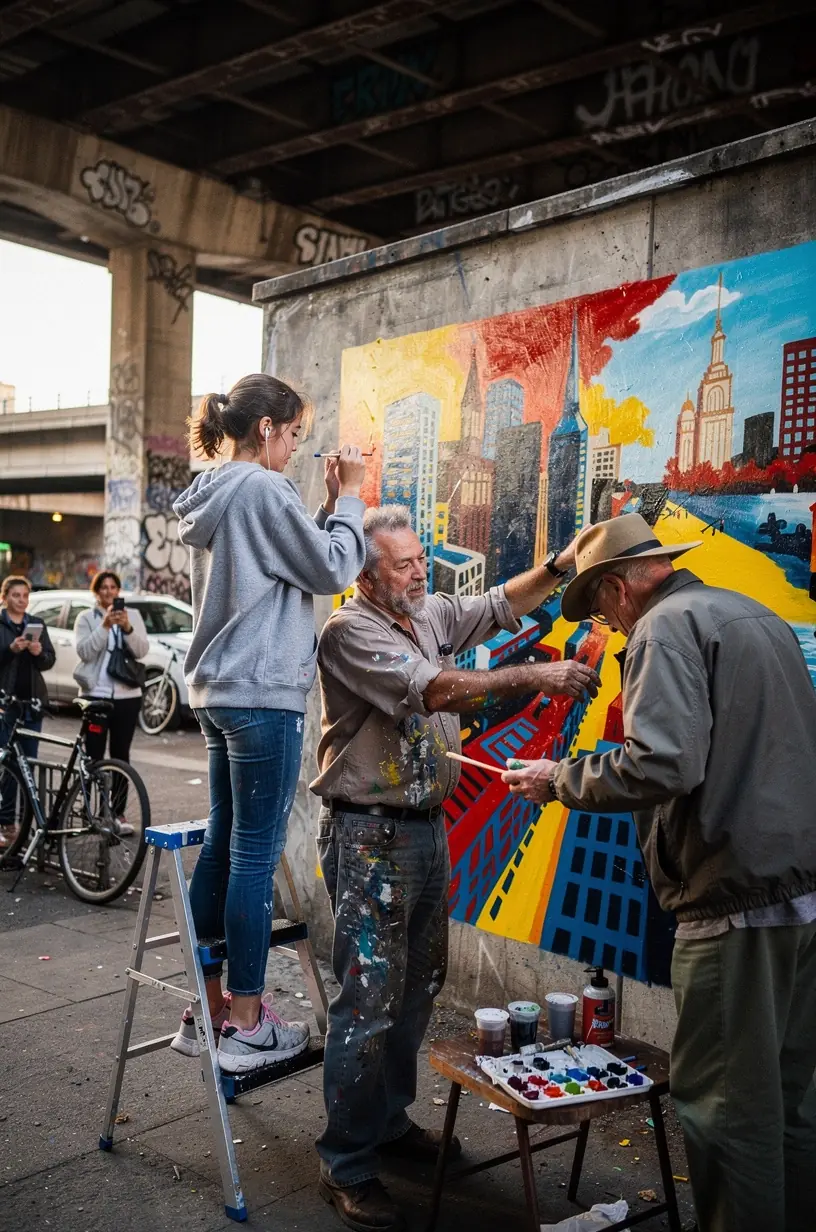
Participating in painting workshops can be an enriching experience, providing not only skill-building opportunities but also avenues for creative expression. This article will explore various painting techniques commonly taught in workshops across the U.S., detailing their methodology and potential benefits.
Understanding the Basics of Painting Techniques
Painting techniques vary widely, each offering unique ways to convey emotions and ideas through art. Some commonly explored methods include:
- Acrylic Pouring: This technique involves mixing acrylic paint with a pouring medium to create unique, flowing patterns on canvas.
- Watercolor Techniques: This can include wet-on-wet, wet-on-dry, and glazing, each producing different textural effects.
- Oil Painting: Known for its rich textures and vibrant colors, oil painting allows for extended blending time due to the slow drying nature of oil paints.
According to industry experts, mastering these techniques not only enhances artistic skills but also improves overall creativity by encouraging experimentation.
"Engaging in diverse painting techniques can expand an artist's repertoire and significantly enhance their creative expression." - Art Educators Association
How Painting Workshops Enhance Learning
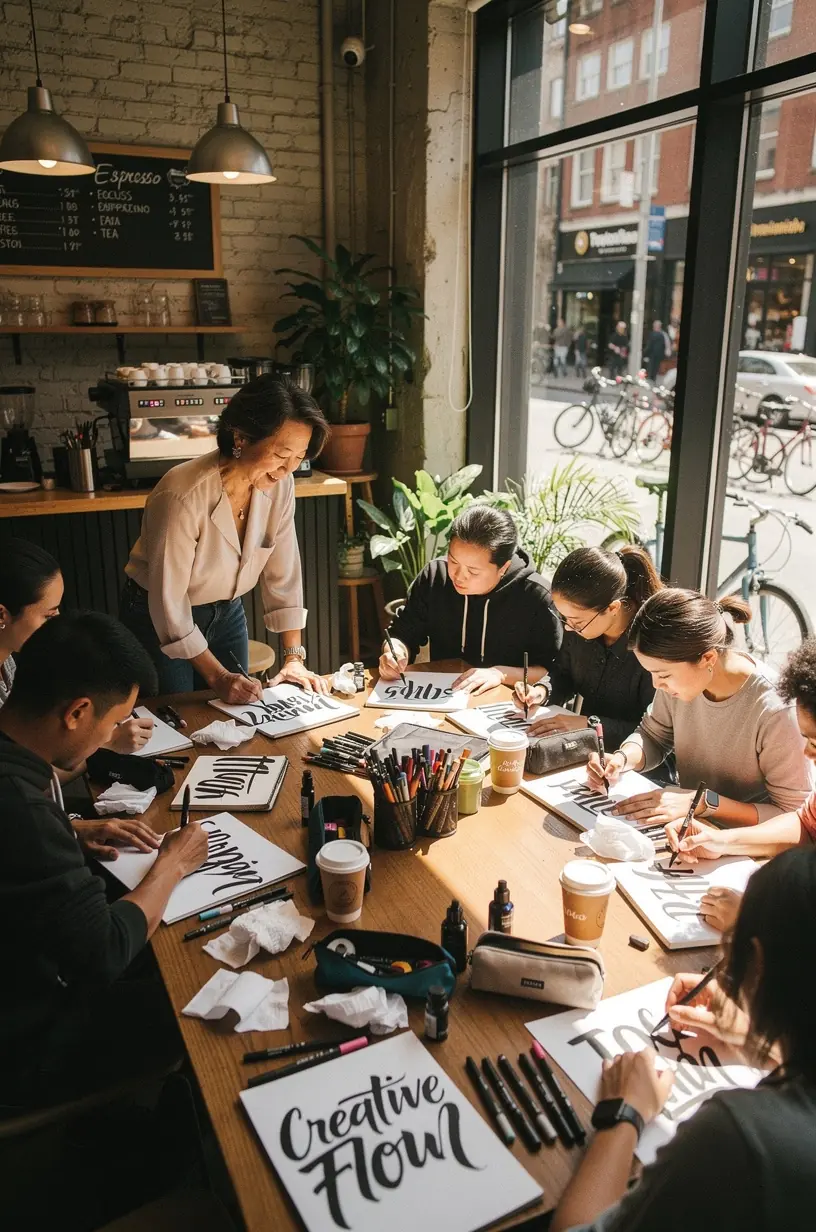
Painting workshops often incorporate guided sessions that provide structured learning environments. This helps participants understand the principles behind each technique. Here’s how:
- Step-by-Step Guidance: Instructors typically break down complex techniques into manageable steps, making them easier to understand and replicate.
- Peer Feedback: Collaborative settings allow for constructive criticism, which can be invaluable for improvement. Many users report that feedback from peers can accelerate the learning process.
- Access to Materials: Workshops often provide high-quality materials and tools that participants might not have access to otherwise. This can enhance the learning experience.
Time Commitment and Realistic Expectations
Engaging in painting workshops typically requires a commitment of a few hours each week over several weeks. Many beginners find that consistent practice is essential for skill acquisition. It’s important to remember:
- Mastering a new painting technique may require dedicated practice; most users find that regular sessions yield the best results.
- Some techniques, such as oil painting, may involve a learning curve due to the unique properties of the materials used.
- Realistic outcomes can often be observed within a few months, as skills develop progressively with practice and feedback.
Conclusion
Exploring different painting techniques in workshops can be a rewarding endeavor for both aspiring and experienced artists. By understanding the methodologies and principles behind each technique, participants can gain valuable skills that enhance their artistic expression. Remember that while the journey may involve time and dedication, the potential for growth and creativity is vast. Engage in a workshop today and unlock your artistic potential!
Learn More