Building Confidence in Your Painting Skills
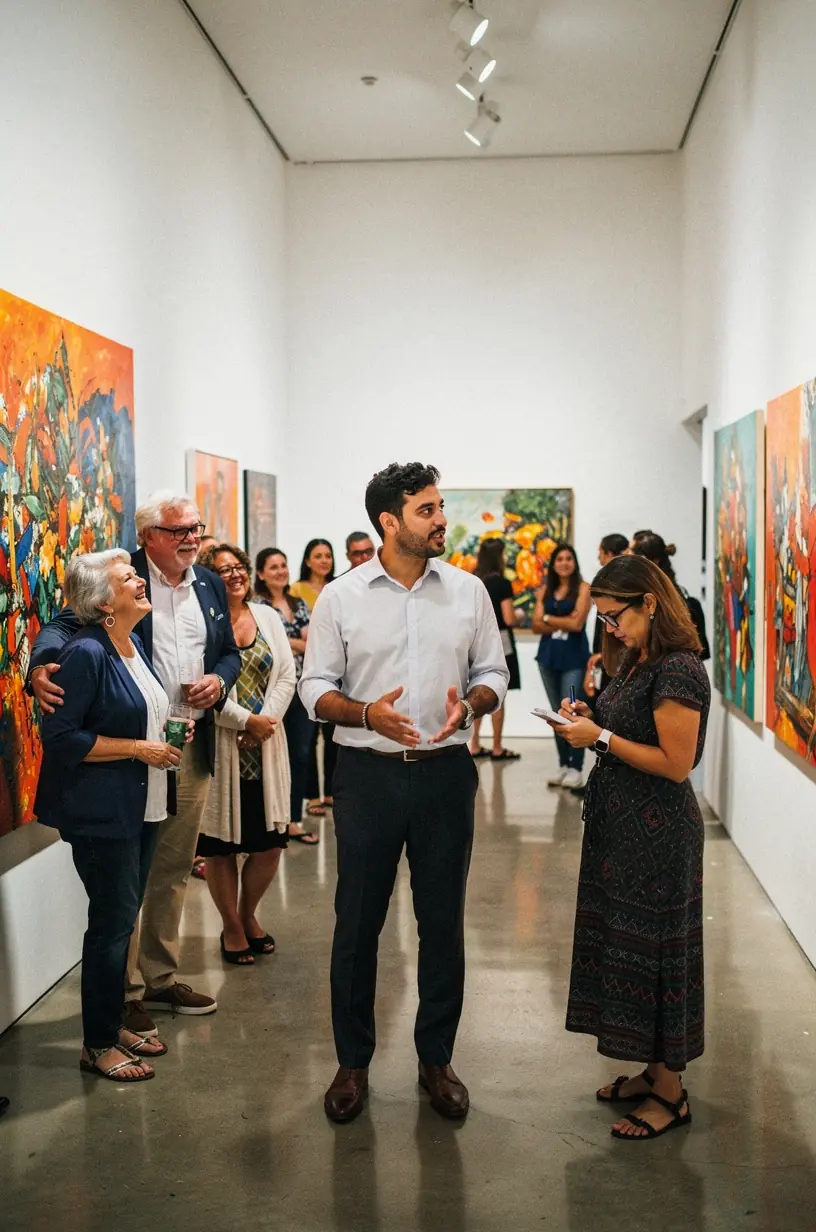
Developing confidence in your painting skills is a journey that many aspiring artists embark upon. Engaging in structured painting workshops can play a significant role in this process, offering guided sessions and valuable exhibition opportunities.
Understanding the Basics of Confidence in Painting
Confidence in painting often stems from practice and constructive feedback. According to research in the arts pedagogy field, consistent practice coupled with positive reinforcement can significantly enhance an artist's self-efficacy. Experts suggest that this process typically involves not only honing technical skills but also embracing a mindset that allows for experimentation and growth.
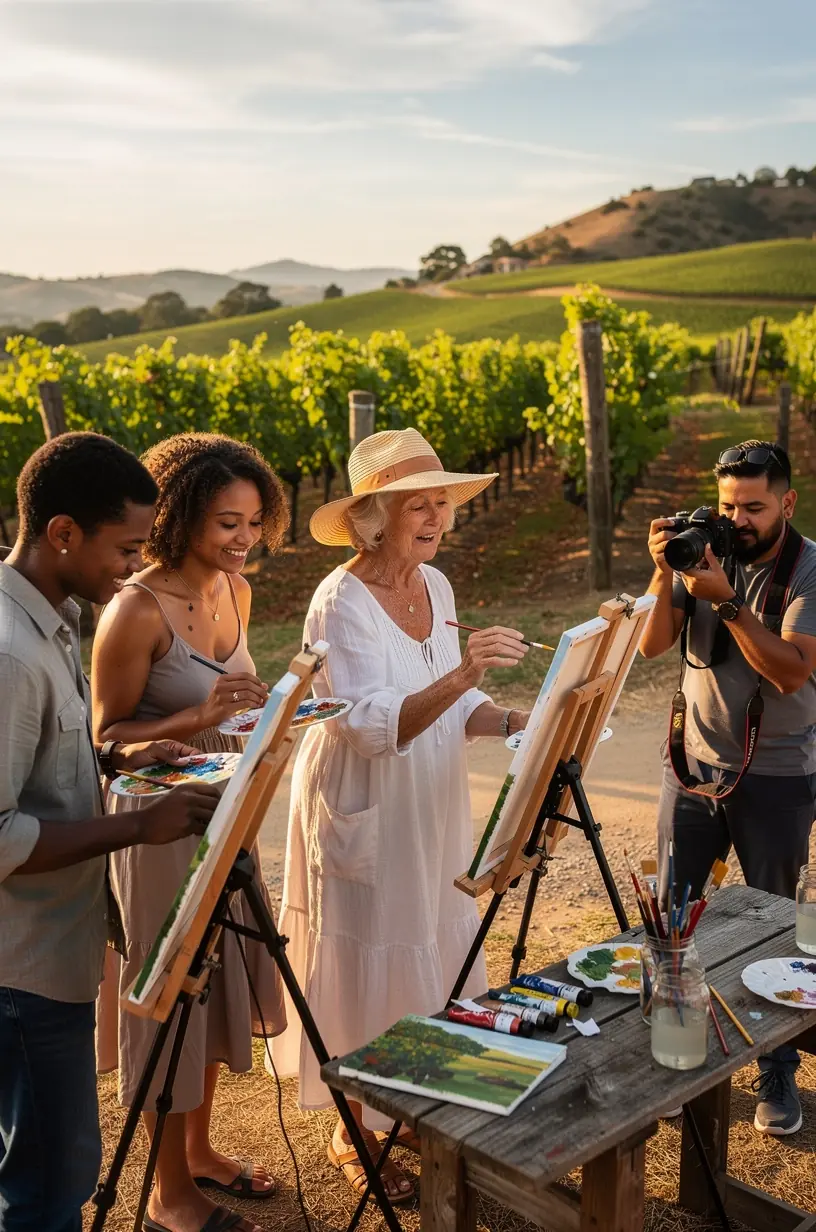
"Many users report that participating in guided workshops helped them overcome their fear of making mistakes, ultimately leading to a more enjoyable painting experience."
Why Guided Workshops Can Help
Guided painting workshops provide a structured environment where participants can learn at their own pace. Here are a few reasons why these workshops can be beneficial:
- Expert Guidance: Instructors often have extensive experience in both painting and teaching, allowing them to tailor their feedback to meet each individual's skill level and needs.
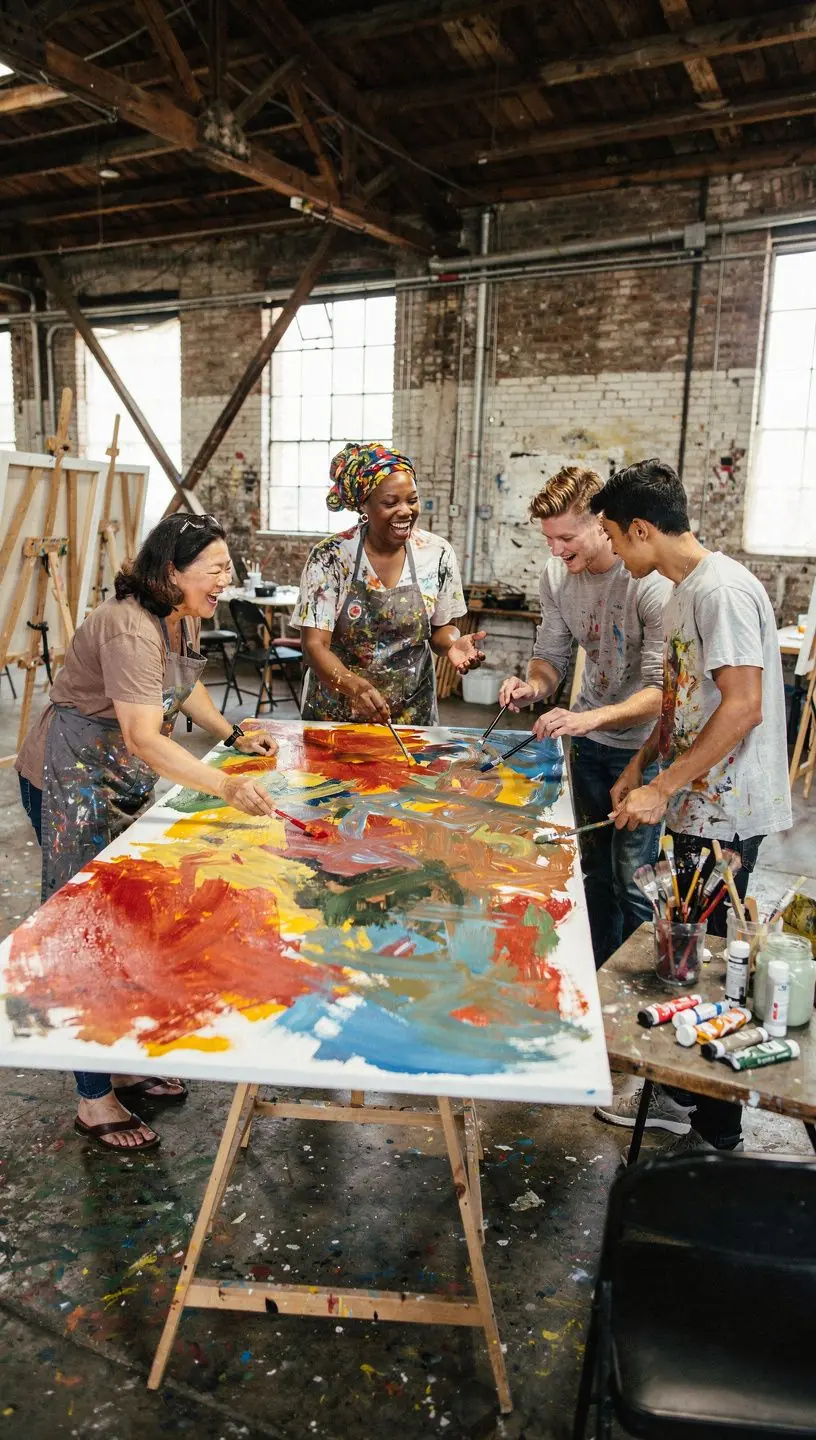
- Community Support: Engaging with peers in a workshop setting can build a supportive network. Many participants find that sharing experiences with others fosters a sense of belonging and encourages personal expression.
- Structured Learning: Workshops usually follow a curriculum that can help participants gradually build their skills, often incorporating fundamental techniques that are crucial for developing confidence.
The Process of Building Confidence
Building confidence in painting is not an overnight transformation; it typically requires commitment and time. Here’s a breakdown of the process:
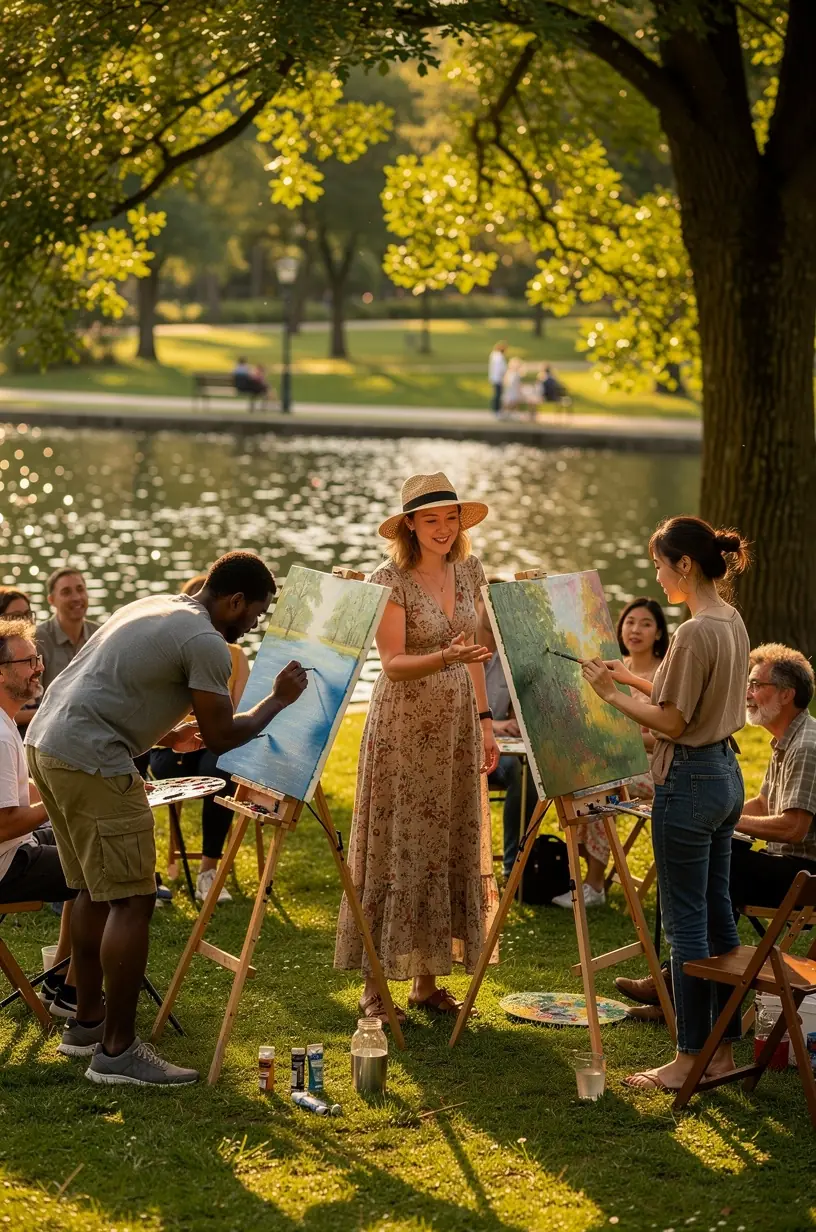
- Regular Practice: Aim for at least a few hours of painting each week, as studies indicate that consistent practice can lead to noticeable skill improvement.
- Embrace Mistakes: Understand that errors are part of the learning process. Acknowledging this can reduce anxiety about getting everything 'right.'
- Seek Feedback: Actively requesting constructive criticism from peers and instructors can help identify areas for improvement and reinforce strengths.
Setting Realistic Expectations
It's essential to have realistic expectations when developing your painting skills. While you may not see immediate results, many users report that progress typically becomes evident within a few months of regular practice and participation in workshops. Remember that the journey involves continuous learning, and what works best for one individual may not suit another.
Conclusion
Building confidence in your painting skills can be a rewarding endeavor when approached with the right mindset and resources. Engaging in guided workshops not only equips you with essential techniques but also provides a supportive community to share your artistic journey. With commitment and an open mind, you may find that painting becomes not just a skill but a fulfilling form of self-expression.