How to Prepare for Your First Painting Session
Embarking on your first painting workshop can be an exciting yet nerve-wracking experience. Preparation can enhance your enjoyment and learning, helping you get the most out of the session. In this article, we'll explore practical steps to help you prepare effectively.
Understanding the Basics
Preparing for a painting session involves more than just gathering materials. According to industry experts, successful preparation can significantly improve both your creative output and the overall experience. This preparation typically encompasses gathering supplies, understanding the techniques to be taught, and mentally preparing yourself for the artistic process.
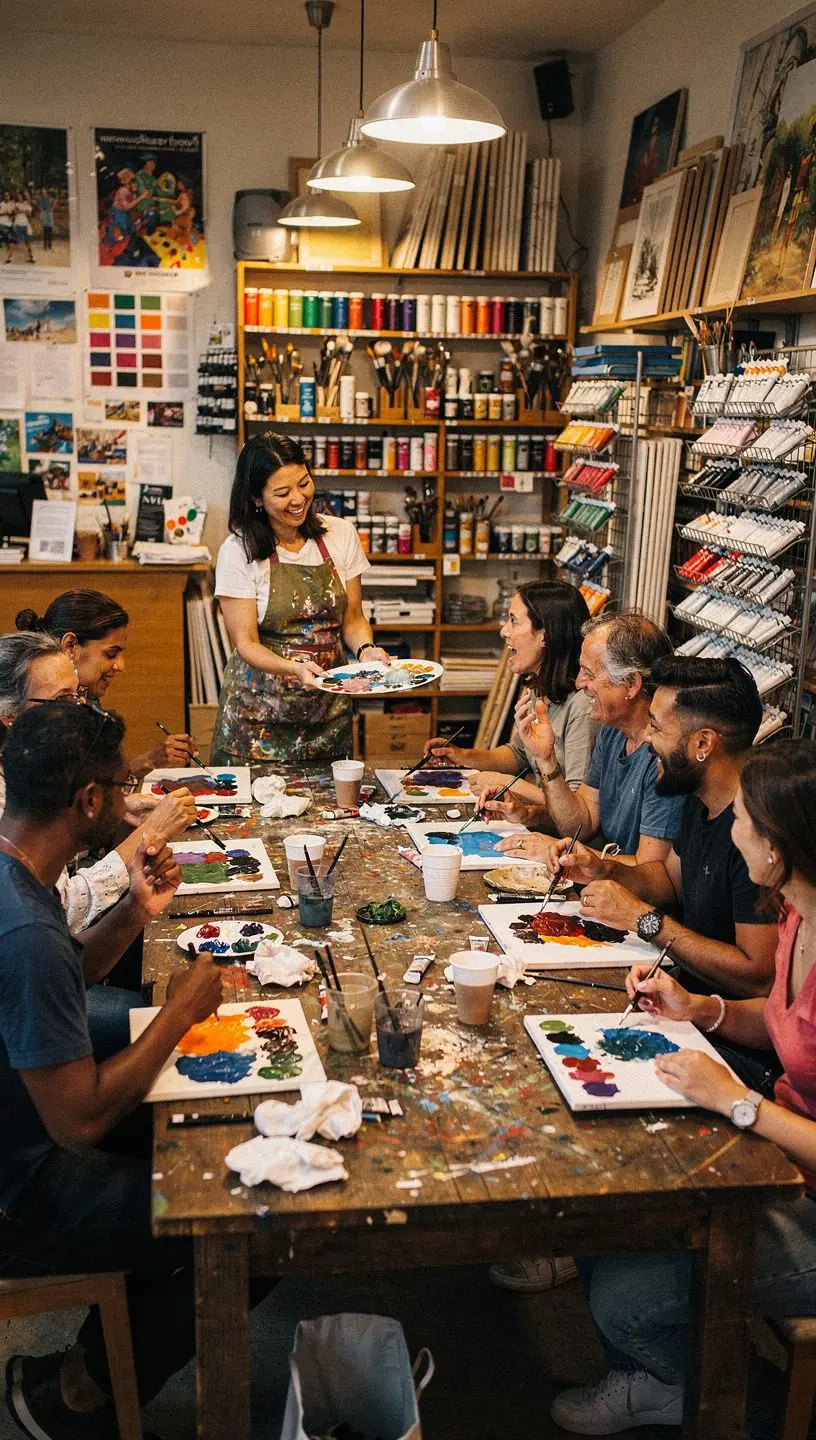
"The right preparation not only boosts confidence but also enhances creativity, allowing participants to fully engage in the art-making process."
Gathering Your Supplies
Before your first session, you’ll need to assemble a few essential supplies. While many workshops provide basic materials, having your own can be beneficial:
- Paints: Acrylics are often recommended for beginners due to their versatility and ease of use.
- Brushes: A selection of brushes in various sizes can help you experiment with different techniques.
- Canvas or Paper: Check with your instructor about what is provided or required.
- Pallette: A simple palette for mixing colors is essential.
- Apron or Old Clothes: Painting can be messy, so wearing clothes you don’t mind getting stained is advisable.
Understanding Techniques and Styles
Many users report feeling more comfortable when they familiarize themselves with basic painting techniques before attending a workshop. This may include understanding color theory, brush strokes, and compositional elements:
- Color Theory: Learning about primary, secondary, and tertiary colors helps in creating a balanced palette. Studies indicate that understanding color relationships can improve your artistic choices.
- Brush Techniques: Familiarizing yourself with different brush techniques can enhance your ability to execute various styles. Tutorials available online can be a supportive resource.
- Composition: Exploring how to frame your artwork can give you an edge in creating visually appealing pieces.
Mental Preparation
Engaging in an artistic endeavor often requires a shift in mindset. Experts recommend taking time to mentally prepare yourself for the creative process:
- Set Realistic Expectations: Understand that art is a journey. Results may not be immediate, but improvement often comes with practice.
- Embrace Mistakes: Accept that making mistakes is a part of the learning process. Many successful artists emphasize that failures can lead to unexpected breakthroughs.
- Stay Open-Minded: Keeping an open attitude toward new techniques and styles can enhance your learning experience.
Conclusion
Preparing for your first painting session can significantly influence your experience and learning trajectory. By gathering the right supplies, familiarizing yourself with basic techniques, and mentally preparing for the process, you can approach your workshop with confidence. Remember, the goal is not perfection but exploration and enjoyment of the artistic journey. Engaging fully in the process will likely lead to a rewarding experience that allows for personal growth in your artistic abilities.